

The Caspian - Black Sea region harbours a unique aquatic fauna that evolved in the past 10 million years and became adapted to unusual salinity regimes in the lakes and seas. This so-called Pontocaspian fauna includes sturgeons and the Caspian Seal, but also contains a plethora of unique, endemic invertebrate faunas. The fauna is under severe pressure, and we are currently loosing species and communities that have persisted over millions of years.
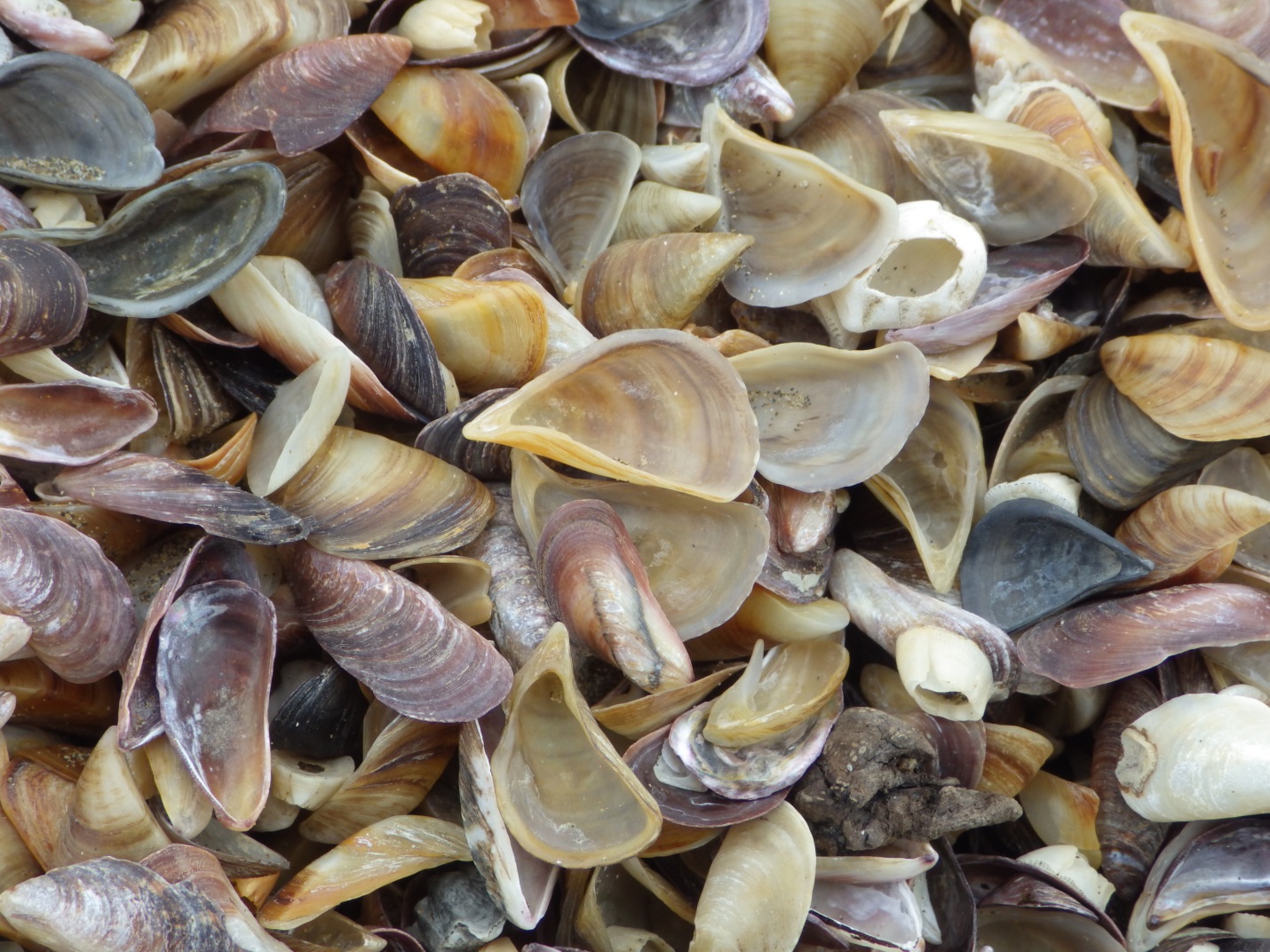
During the EU-funded ITN program “PRIDE” (Drivers of Pontocaspian biodiversity Rise and Demise), fifteen young researchers throughout Europe and a vast network of researchers in the region studied the climate, geology, biodiversity and awareness of Pontocaspian biota. We addressed questions as to how resilient the fauna is, whether there is a Pontocaspian biodiversity crisis and what the outlook for the biota is.
The extreme good geological and paleontological record combined with climate modelling, molecular and ecological approaches shows a fauna that over time and again has succesfully dealt with major environmental crises, but that in the past century has seen a dramatic decline in ways never seen before. The models predict further decline and call for urgent coordinated action conserve the unique Pontocaspian biota.
Time: 16:00 | Place: De Tribune | Drinks afterwards!