

Becky's Blog: Flint, Stock and Barrel
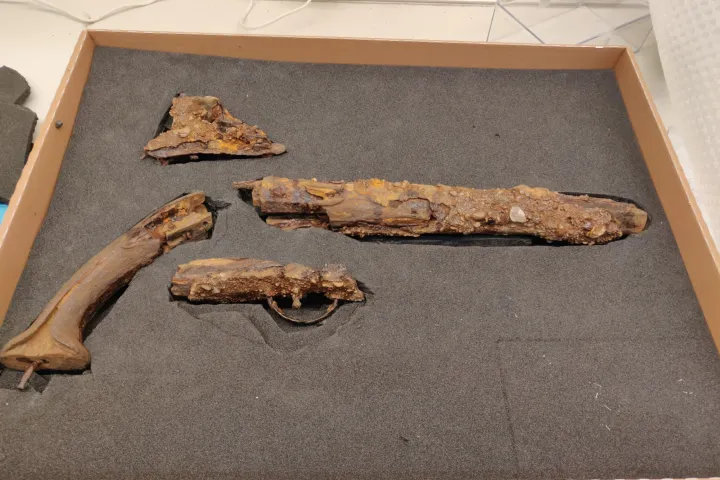
A few months ago, the geology collection manager discovered a gun in her collection. Happily, it was no cause for emergency. This was not a modern gun by any means, but an old flintlock pistol broken into four large pieces. What was it doing in a natural…
Symbiosis as the basis of the forest
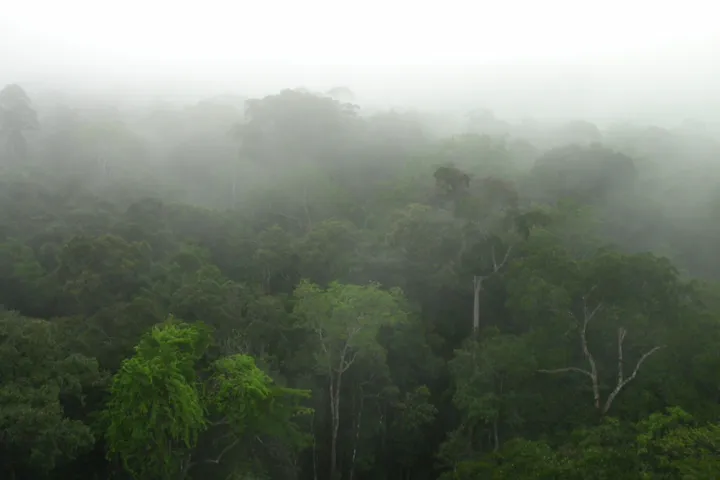
Nature publication predicts 10% decrease of biomass in forests if CO2 emissions continue unabated In and around the tangled roots of the forest floor, fungi and bacteria grow with trees, exchanging nutrients for carbon in a vast, global marketplace…
Triceratops timeline
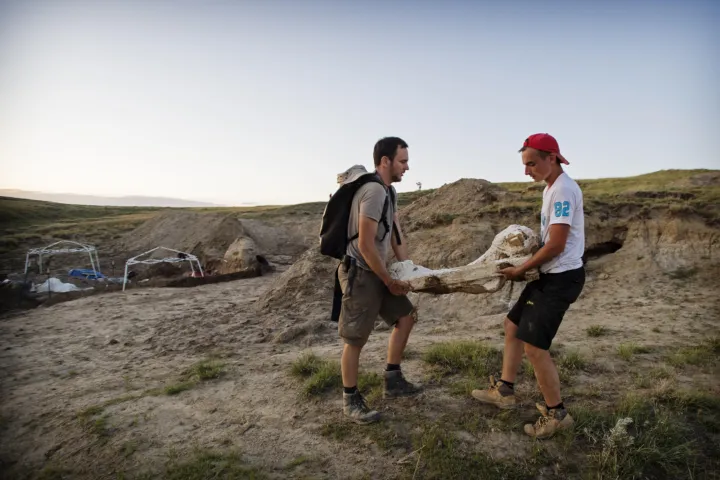
Triceratops, or literally: three-horned face, an iconic dinosaur. Once upon a time, in 2013, researchers from Naturalis made a special discovery. In Wyoming (America) they found the remains of several Triceratopses. Three more expeditions followed and over…
Buried treasure
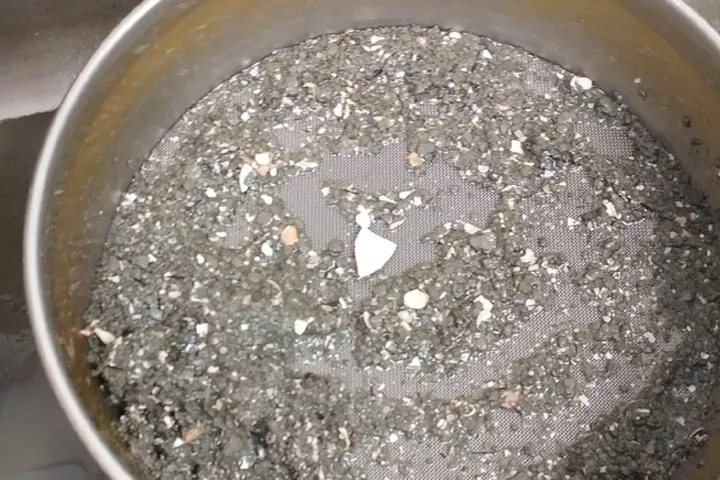
Becky is museum preparator. Many different tasks fall under this umbrella: cleaning whale bones, preparing study skins of birds and animals, and repairing broken geological samples, for example. However, of all the tasks I do, the most relaxing is washing…
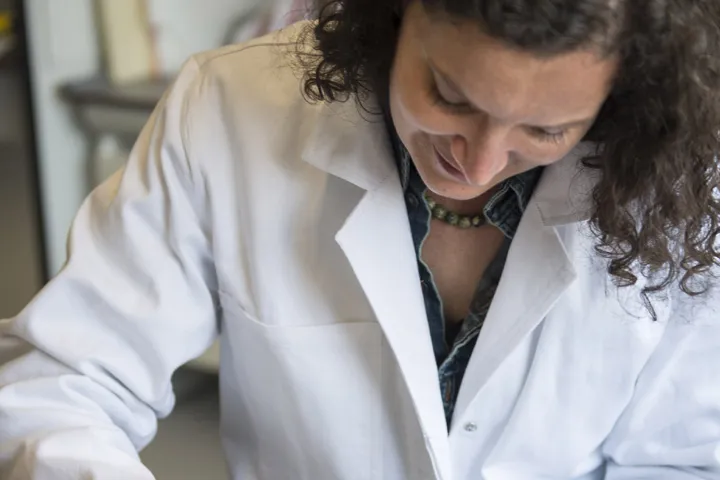
Becky's Blog: A quail tale
Every now and then I am invited to do a special after hours event. Usually this is some kind of live preparation demonstration, the type I used to do regularly in LiveScience in our old museum (and will do again after our new building opens!). I really…
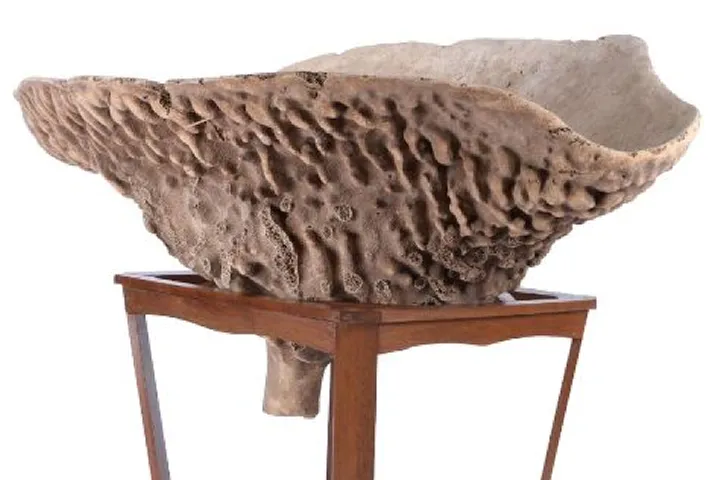
An animal big enough to sit in
The story behind the biggest Neptune's cup in the collection of Naturalis Biodiversity Center That’s right - this is a story about an animal big enough to sit in. It might be hard to comprehend when you look at it, but the Neptune’s cup ( Cliona patera…
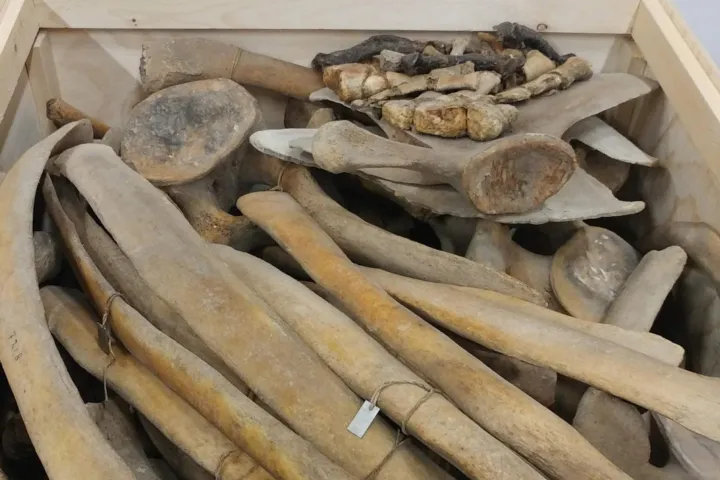
A bottlenose with mold issues
Recently we worked on a rare specimen, a male Northern bottlenose whale, Hyperoodon ampullatus. This specimen is from October 1946 and was found on the island of Terschelling. Bottlenose whales are rare in our collection because they do not occur in the…
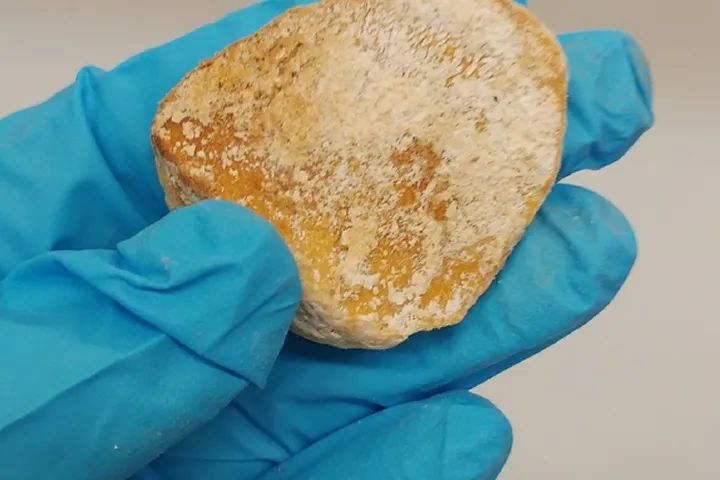
Becky's Blog: Whale bones and murder mysteries
How a process that is a problem for our whale bones, can be of great value in forensic anthropology. A tale about adipocere, otherwise known as corpse wax. Before a decedent whale can be stored in our collection, it has to be completely clean and stripped…
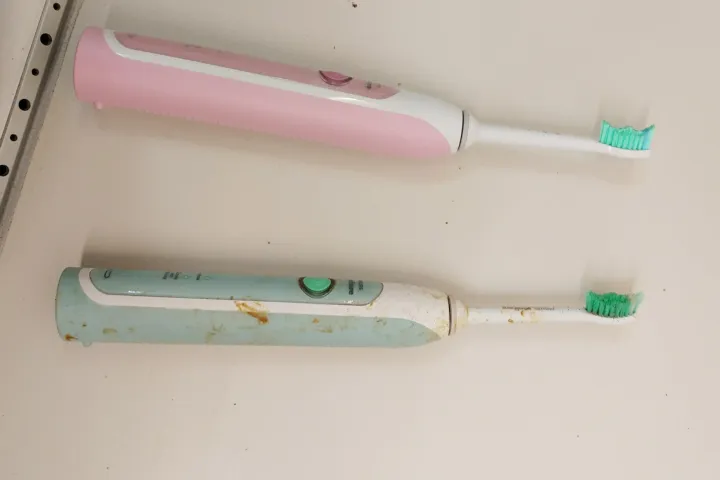
Whales and toothbrushes
The first thing that happens when you start any new project at a museum is the literature search. How have other museums dealt with the issues that you are about to be surrounded by? After doing all this research and figuring out what would be the best…